Featured Relics & Militaria
This is a very rare Luftwaffe radio valve identification panel which was fitted to the top of the radio transmitter/receiver in the rear cockpit of the famous dive bomber.
The aluminium made panel has lots of original maker markings very clear to see it is in lovely condition with lots of original colours it also has a bit of damage from the crash it has ripped and bent only very partly but nothing to bad it has been nicely cleaned and is perfect for display or any collection the part is 10 inches long by 11 inches wide. This part comes with 3xA5 laminated information cards with pictures and diagrams and large picture of it in place inside the cockpit.
The parts are from a wrecked German Ju87 stuka dive bomber recovered on the remains of what was Pitomnik airfield outside Stalingrad 1942-1943.Pitomnik was the main German supply hub during the Battle of Stalingrad, fell to the Red Army in January 1943
German Ju87 stukas that were based at Pitomnik during the battle.
Sturzkampfgeschwader (StG) 2 "Immelmann": Operating the Ju 87D "Dora", its groups were heavily committed to dropping ordnance on the burning ruins of Stalingrad and Soviet frontline troops.
Sturzkampfgeschwader (StG) 1 and StG 77: Elements of these units were also rotated through the area, continuously carrying out daytime tactical bombing raids and close-support missions.
The "Tank Buster" Role: By late 1942, Stuka units began utilizing the Ju 87G variant, fitted with two 3.7 cm BK cannons under the wings, to counter the overwhelming numbers of Soviet T-34 tanks.
This is a very rare find which is a Luftwaffe signal flare cartridge rack (Leuchtpatronenhalter) it is cockpit mounted rack used by the pilot for visual communication with ground personnel and airfield control. Used when radio communication was unavailable.
This is a steel made part which is not to badly damaged by the impact of the crash but has some rust damage and which has corroded in places it is completely empty and inert. The part still has some of its original paintwork remains and is very solid not braking up or falling apart and has been very well cleaned the part is 6 inches long by 6 inches wide in size and a nice one for display or any collection and a lovely find from this famous fighter bomber and a real one off find which i have never had before.
The part comes from German Messerschmitt me 262 jet of 9./JV44 which was shot down on 17th March 1945. The jet was attacked by American P-51 fighter while trying to land at Parchim south of Rostock on the Baltic coast in Germany The pilot of the jet was Lt Wegmann, who managed to bale out before the aircraft crashed into woodland near the airfield. The part comes with 2 X A5 laminated information sheets with pictures and a diagrams
Jagdverband 44 (JV 44) was a German Luftwaffe special operations unit was formed in March 1945. It was formed during the last months of the war to operate the Messerschmitt 262 jet fighter The commander of JV 44 was General Adolf Galland, the former General de Jagdflieger (General of Fighter pilots). JV 44 comprised a core of experienced pilots chosen from Galland's former staff or recruited from units which had been disbanded or were being re-equipped. JV 44 performed well during its brief history, achieving a 4-to-1 kill ratio.
Recently Added Relics & Militaria
This is a totally rare recognisable part from a very rare aircraft which there is next to nothing about and the first time i have ever had before. These parts were recovered from the area where jet crashed in 1945 and some was cleared away by the Germans or the Allies at the time there is very little to found now on the site these items were recovered in the late 1990’s by a local enthusiast then has been in private collection until now.
This is a undercarriage bay locking mechanism which is in rusty condition made from steel and aluminium but still with some original colours but not much. The part which has corroded and rusty but is still solid not braking up or falling apart. The part has ripped and bent by the impact of the crash and has been nicely cleaned but might clean up more with effort it is perfect for display or any collection the part is 9 inches long by 2 half inches wide and comes with 2xA5 laminated information cards with pictures and diagram also map.
This part comes from the last operational flight of a Heinkel He 162 Volksjäger jet which crashed on landing at Leck Airfield on May 6, 1945. This happened shortly after the local ceasefire and just before Jagdgeschwader 1 officially surrendered roughly 50 of their remaining He 162 aircraft to British forces. On May 6, 1945, British forces (including the RAF Regiment) arrived to secure Leck Airfield and take formal custody of the base and its experimental jet inventory.
This is a collection of 8 original aluminium airframe sections together with magnesium-alloy engine components and pipework part, bakerite part all from an RAF Avro Lancaster bomber. Included is part of an engine casing that has been melted by the intense heat of the post-crash fire, creating a striking and historically significant display piece.
The airframe fragments retain some of their original paintwork remains, while the engine casing still shows traces of its original black finish and the pipework part is brass made. The pieces display the damage expected from a high-impact crash, with torn and distorted metal throughout. Despite this, they remain in solid relic condition and have been carefully cleaned and preserved. The largest pieces measure approximately 4-2 inches long in size, making them ideal for display in any aviation or Second World War collection.
The parts are from RAF Lancaster bomber ND761 in the crew was the 19 year old at the time air commodore Charles Clarke OBE the aircraft was shot down by a German night fighter on 25 February 1944.The bomber was returning from a night bombing raid over Stuttgart, Germany. The bomber crashed into the Black Forest and was discovered in around 2018.
The relics come complete with two A5 laminated information sheets featuring:
A photograph of the crew.
Historical information about the aircraft and its final mission.
A diagram illustrating the aircraft.
The crew of the bomber
Deceased: Pilot Officer Robert McPherson (Pilot), Sergeant John "Jack" Alvyn (Flight Engineer), and Sergeant George "Nobby" Hall (Rear Gunner) were killed in the crash.
Survivors: Air Commodore Charles Clarke (Bomb Aimer) and three other crew members successfully parachuted out, survived, and were captured as Prisoners of War. They were Imprisoned at Stalag Luft III (the "Great Escape" camp), where Charles Clarke acted as a watcher and helped forge documents, surviving the notorious "Long March" before his final liberation
This is a rare bit which is totally recognisable with lovely maker markings also stamped as well and part numbers all clear to see it is a rare pratt and whitney R-2800 valve rocker.
This substantial piece which is steel made it still retains pretty much all of its original colour and well preserved. The engine part shows evidence of crash impact, having been slightly bent but nothing bad yet remains solid and stable. It has been carefully cleaned while preserving its authentic relic character. Measuring approximately 4 inches by 2 inches in size and comes from P-47 Thunderbolt number 42-7908,damaged while escorting B17 bombers over Schwenfurt ball bearing factory in Germany and crashed at Brentwood in Essex on its return home on the 14th October 1944.
Republic P-47 Thunderbolt serial number 42-7908 (often classified as a P-47D-1-RE) was a World War II U.S. Army Air Forces fighter assigned to the 350th Fighter Squadron, 353rd Fighter Group, based in England. The aircraft crashed in Essex, England, on October 14, 1943 (black Thursday), resulting in the death of its pilot, 2nd Lt. Robert C. Peters .He was returning from a mission over Germany. Encountering a combination of low fuel and typical English autumn weather, his P-47B (42-7908) went down as he attempted to locate a safe place to land in the Essex countryside
The part comes with 2 A5 laminated information cards with pictures and diagrams.
Gift Vouchers
Send a Relics from the Front gift voucher to friends and family with a brief message, or send it to yourself and gift it in-person. Ideal gift for birthdays and Christmas, for the more unique present.
Upcoming Trade Shows
Come and join us at one of the many trade shows we attend throughout the UK each year. Whether you’re a seasoned collector, history enthusiast, or simply curious, there’s something for everyone.
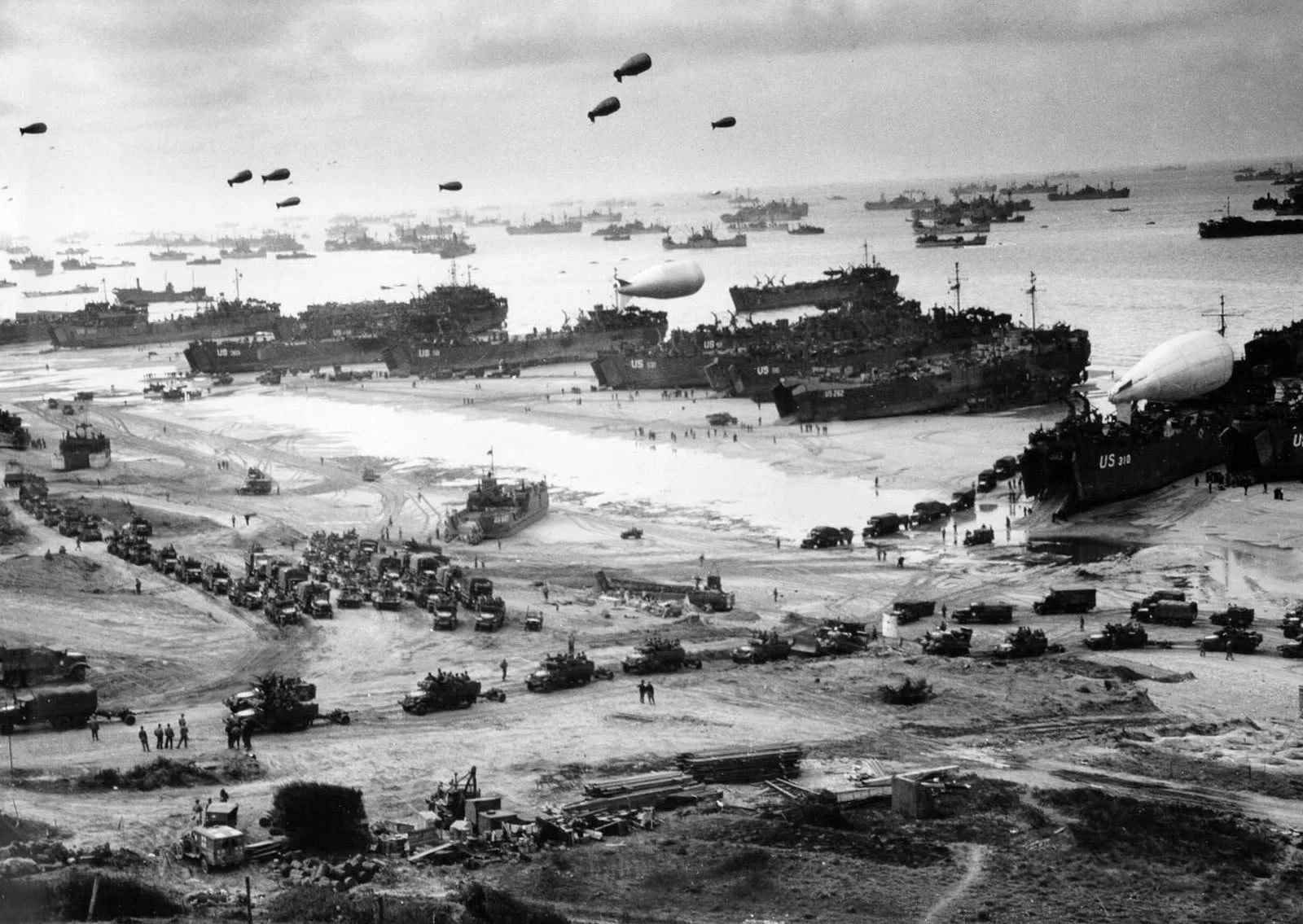
Join us at Military Odyssey from Saturday 29th August 2026 to Monday 31st August 2026, for a spectacular celebration of military history. Experience live reenactments, explore historic military vehicles, enjoy interactive displays, and immerse yourself in authentic setups.
This is a rare to find aerial mounting base a Antennenfuss NR.2 used by a fug 5 radio installation on the rear or side of a German sdkfz 251 half track
This part is in relic condition but not complete the actual aerial has broken and snapped but part of it remains and it is still attached to its bottom plate which is rusty with no paintwork the whole item is very solid and has been carefully cleaned and is perfect for display or any collection. This aerial base which is 7 half inches long by just under 3 inches wide is very rare to find item from this battlefield as the wood in post war years is now much smaller then it was during the war, The wood has been partly built on since then but these relics were recovered many years ago part of the reason they still exists , it is ideal for display or any military collection. It comes with an 2x A5 laminated information cards with diagrams, pictures and a map.
The part is from a German sdkfz 11 or 251 half track in 21st Panzer Division which was recovered from the Battle of Lebisey Wood which is where a fierce engagement in World War II fought on June 7, 1944 (D-Day+1), where the British 2nd Battalion, Royal Warwickshire Regiment suffered heavy casualties attempting to capture a strategic hill overlooking Caen. Unbeknownst to advancing Allied troops, the wood and village had been heavily reinforced overnight by the German 21st Panzer Division. There was poor communication and strong enemy defenses forced the British infantry to withdraw from the fringes of the wood by night fall on June 7.
Lebisey Wood was finally seized a month later on July 8, 1944, during Operation Charnwood